Buying It Yourself: What We Learned about Private Acquisition at the First BVRI Convening
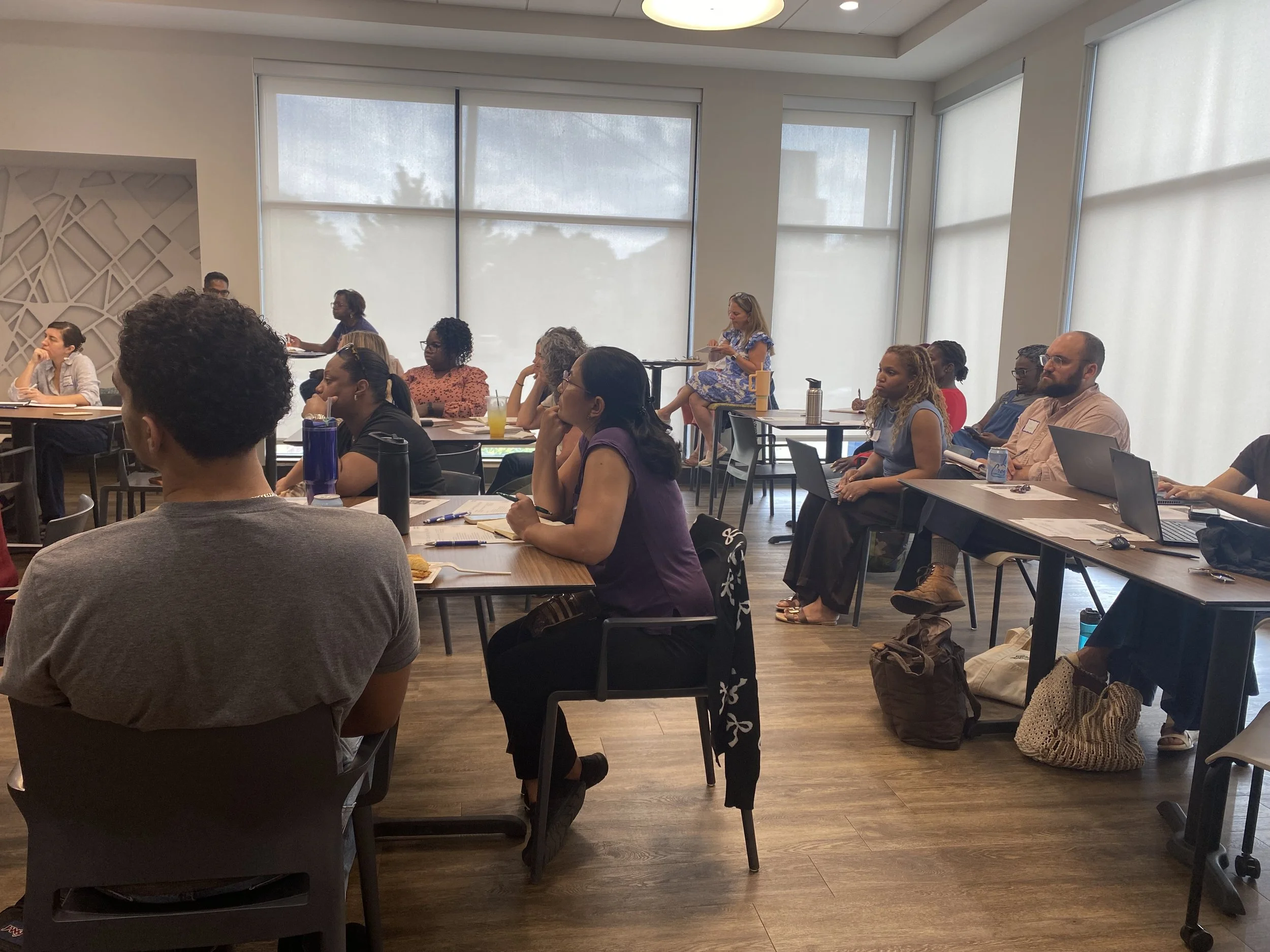
Leaders from Upton Planning Committee, South Baltimore Community Land Trust, Parity, Action Baybrook, and other BVRI community development organizations participate in the first BVRI Neighborhood Development Convening.
Producing housing takes more than capital. Through the Baltimore Vacants Reinvestment Initiative (BVRI), MCIC pairs lending with technical assistance because market knowledge, relationships, systems, and real estate expertise are essential to putting capital to work effectively.
MCIC hosted its first BVRI neighborhood development convening, bringing together community development organizations (CDOs) actively producing and scaling housing in Baltimore neighborhoods. The focus was private acquisition, purchasing vacant or distressed properties directly from private owners, rather than relying solely on City-led pathways such as in rem foreclosure or receivership.
The conversation revealed that private acquisition, done well, is about much more than finding properties for sale.
Know the neighborhood, not just the inventory
Across the organizations represented, property tracking emerged as a core capacity. Southeast CDC uses an Airtable system to monitor properties moving through in rem, receivership, code compliance, and potential private acquisition, while also tracking indicators such as tax status, water bills, physical condition, and information from community members.
Central Baltimore Partnership similarly maintains detailed property-level intelligence, combining research with regular field visits and ongoing communication with City agencies.
The lesson is simple: the vacant property list is only the beginning. Effective acquisition strategies require understanding what is happening with individual properties before they officially become acquisition opportunities.
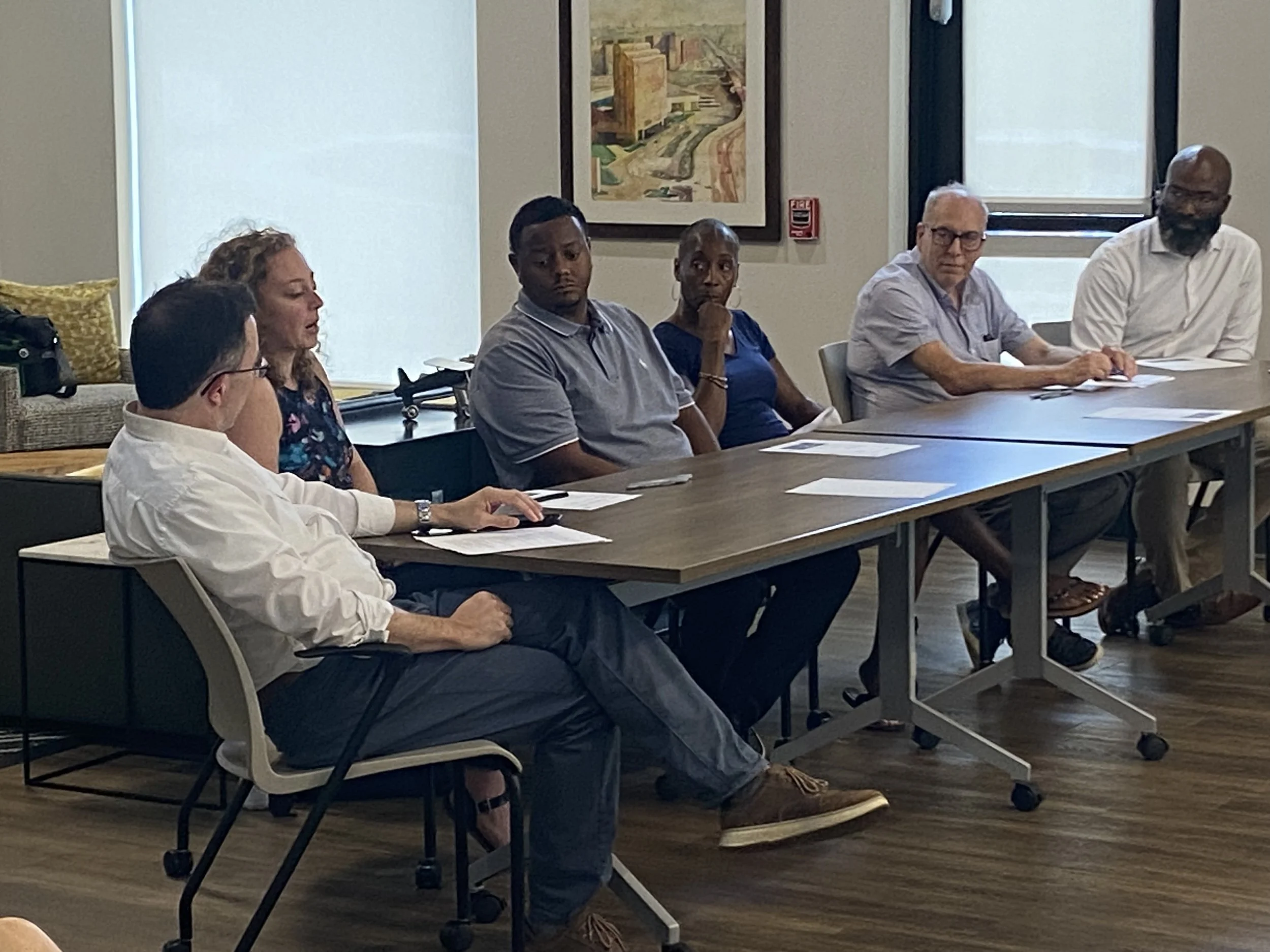
MCIC CEO Michael Pokorny moderates a panel exploring how community development organizations can build their own property acquisition pipelines before turning to City-led pathways such as in rem foreclosure and receivership.
Build relationships before you need them
Private acquisition is also a relationship business.
Neighborhood Housing Services of Baltimore reported that private-market sourcing is its largest acquisition channel, supported by relationships with real estate agents, private owners, investors, developers, residents, and other partners. The organization emphasized persistent follow-up: a property that isn’t available today may become an opportunity months later when an owner’s circumstances change.
Southeast CDC takes that relationship-building directly to property owners, seeking to understand what an owner wants, whether they are willing to sell, what price they need, and what outcome could work for both the owner and the neighborhood.
That approach turns acquisition from a transaction into a conversation about what comes next.
Work backward from the housing you want to produce
The organizations also emphasized that acquisition decisions cannot be separated from the economics of redevelopment.
Southeast CDC evaluates potential acquisitions by working backward from the likely end product, considering anticipated sales price, square footage, rehabilitation costs, and available subsidies to determine what it can reasonably afford to pay. And when an auction price exceeds what the organization believes the finished project can support, it is willing to walk away.
That discipline matters. So does flexibility. Central Baltimore Partnership described a strategy that uses multiple pathways simultaneously, including in rem, receivership, private market purchases, developer relationships, and owner-led rehabilitation.
What this means for BVRI
For MCIC, this is what TA-first lending looks like in practice. Our goal is not simply to provide capital for individual projects. It is to help CDOs strengthen the systems and capabilities that allow them to identify opportunities, make sound acquisition decisions, and move properties into production.
The first convening reinforced a powerful idea: building housing production capacity means building acquisition capacity, too.
As BVRI organizations continue their work, MCIC will continue creating opportunities for them to learn from one another, compare approaches, and tackle the practical challenges of neighborhood redevelopment together.
Because producing more housing requires more than capital. It requires the capacity to know where to find it, how to acquire it, and what to do with it once you have it.
Thank you to Maryland DHCD and Neighborhood Design Center for co-planning and co-facilitating this convening.