Lessons from the Capital Region's NMTC Trailblazers
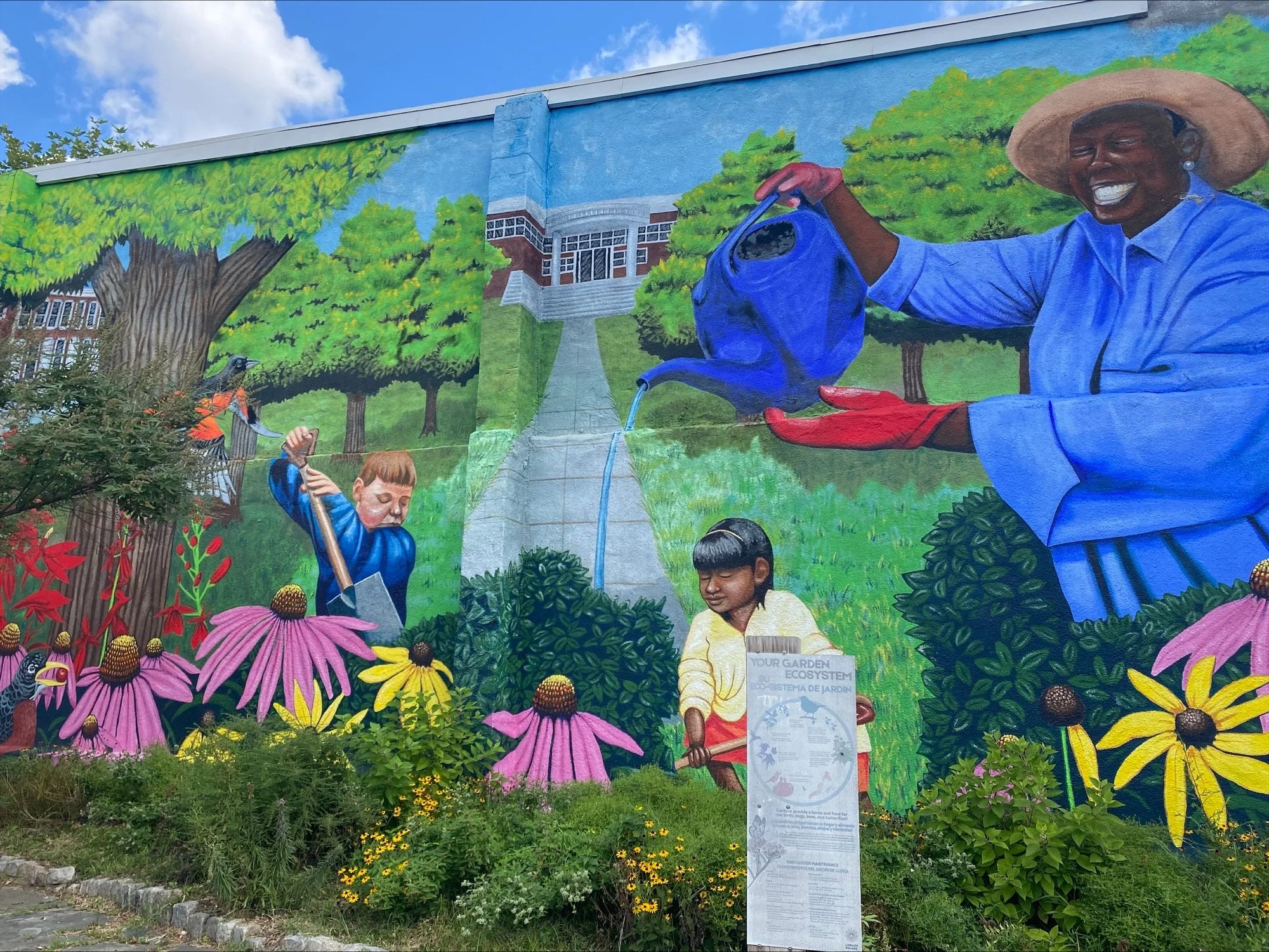
Why have so few New Markets Tax Credit projects happened in the DMV? We sat down with the organizations leading the way to learn what it really takes to get these transformative projects built.
Real estate can be a force for justice. Every affordable home, neighborhood grocery store, community center, or health clinic begins long before the ribbon cutting, with partners willing to navigate the complexity of bringing mission-driven projects to life.
For the past two decades, nearly 90% of Maryland's New Markets Tax Credit (NMTC) investment has been deployed in Baltimore City. Yet Maryland's Capital Region is home to a comparable number of residents living in low-income communities. At the Maryland Community Investment Corporation (MCIC), we're working to better understand that gap. This year, we've been focused on the DMV, meeting with county development agencies, members of the Maryland General Assembly, and nonprofit project sponsors to learn what helps NMTC projects succeed, where transactions stall, and how we can raise awareness. Our goal: fostering more NMTC deals in Prince George's, Montgomery, and Charles Counties and softening the ground so deals can close easier and faster.
Our conversations have already surfaced valuable insights.
At Habitat for Humanity Metro Maryland, whose Allium Place project demonstrates the innovative use of NMTC financing for single-family homeownership, one lesson stood above the rest: board education is essential. It took several years for Habitat's board to fully understand and embrace NMTC as a tool for advancing its mission. Once that understanding was built, new possibilities emerged.
Our discussion with WMATA, who partnered with Urban Atlantic on the New Carrollton transit-oriented development, underscored another opportunity. While the WMATA development team was less fluent in NMTC financing, they immediately recognized its potential to complement the residential-heavy mixed-use communities they have been charged with delivering. They saw particular promise in using NMTC to finance community-serving retail, such as a full-service grocery store on the ground floor of a 5-over-1 mixed-use building, helping create neighborhoods that provide essential services alongside new housing.
Our conversation with Urban Atlantic offered a different perspective on the same project: sometimes the most catalytic investment isn't the most exciting one on paper. Urban Atlantic, a longtime NMTC investor and Community Development Entity, used its own NMTC allocation to finance the Kaiser Garage at New Carrollton. A parking garage may not sound like the kind of project that transforms a neighborhood, but the garage helped demonstrate the viability of the broader transit-oriented development. Today, the surrounding site is attracting additional investment in housing, retail, and restaurants. The lesson is an important one for the Capital Region: NMTC can help unlock a larger wave of private and mission-driven investment when it is deployed strategically as part of a broader redevelopment effort.
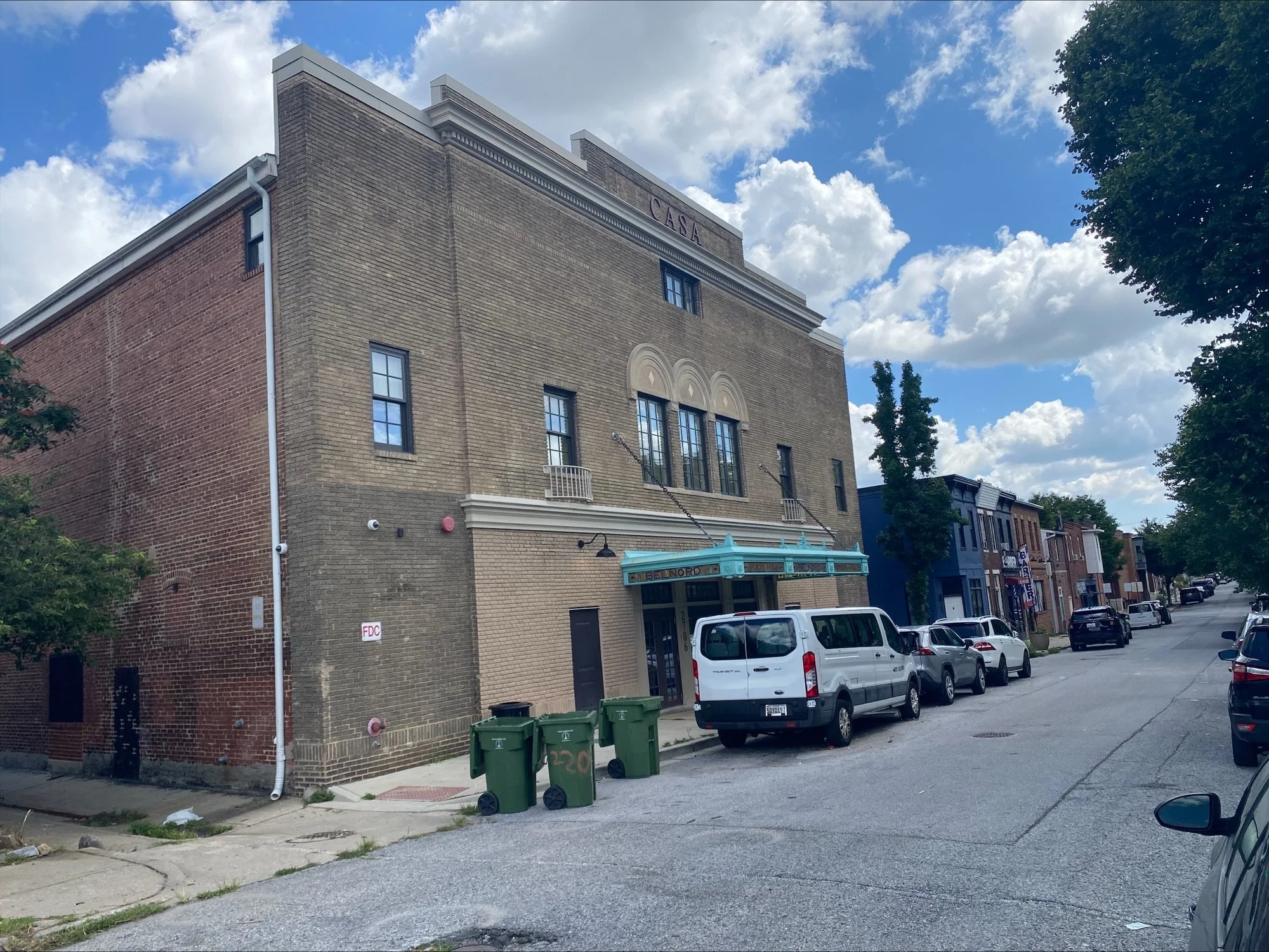
Our conversation with CASA illustrated how NMTC transactions often require different strategies outside Baltimore City. In parts of Montgomery County, lower concentrations of poverty meant that qualifying a project based solely on census tract data was not always possible. Instead, CASA relied on the Targeted Population provision of the NMTC program, documenting that the majority of the people served by its Welcome Centers met the program's income requirements. While collecting income information from clients can feel intrusive for some participants, the approach opened the door to financing projects that otherwise would not have qualified.
CASA's projects also demonstrate that mission-driven real estate can do many jobs at once. Their developments thoughtfully balance welcoming spaces for workforce development and community services, quiet offices that allow staff to do focused work, and the preservation of historic community landmarks like the Langley Park Mansion and Belnord Theatre. Their experience is an important reminder that expanding NMTC outside Baltimore will require not only capital, but also financing strategies that reflect the suburban geography of low-income communities.
These conversations are helping shape MCIC's work to strengthen Maryland's community investment ecosystem, not just by attracting capital, but by making it easier for organizations to access it.
We'll continue this listening tour with more in-person engagement across the Capital Region throughout the months to come. If you're developing a mission-driven real estate project, working in local economic development, or interested in expanding NMTC's reach in Maryland, we'd love to connect. Let's build partnerships that turn investment into opportunity, one project at a time.
Thank you to Sarah Reddinger, Ron Spoor, Bob Brehm, Nia Rubin, Kelli Brooks, Laura Knaap, and Andrew Scott for sharing their stories with MCIC.