
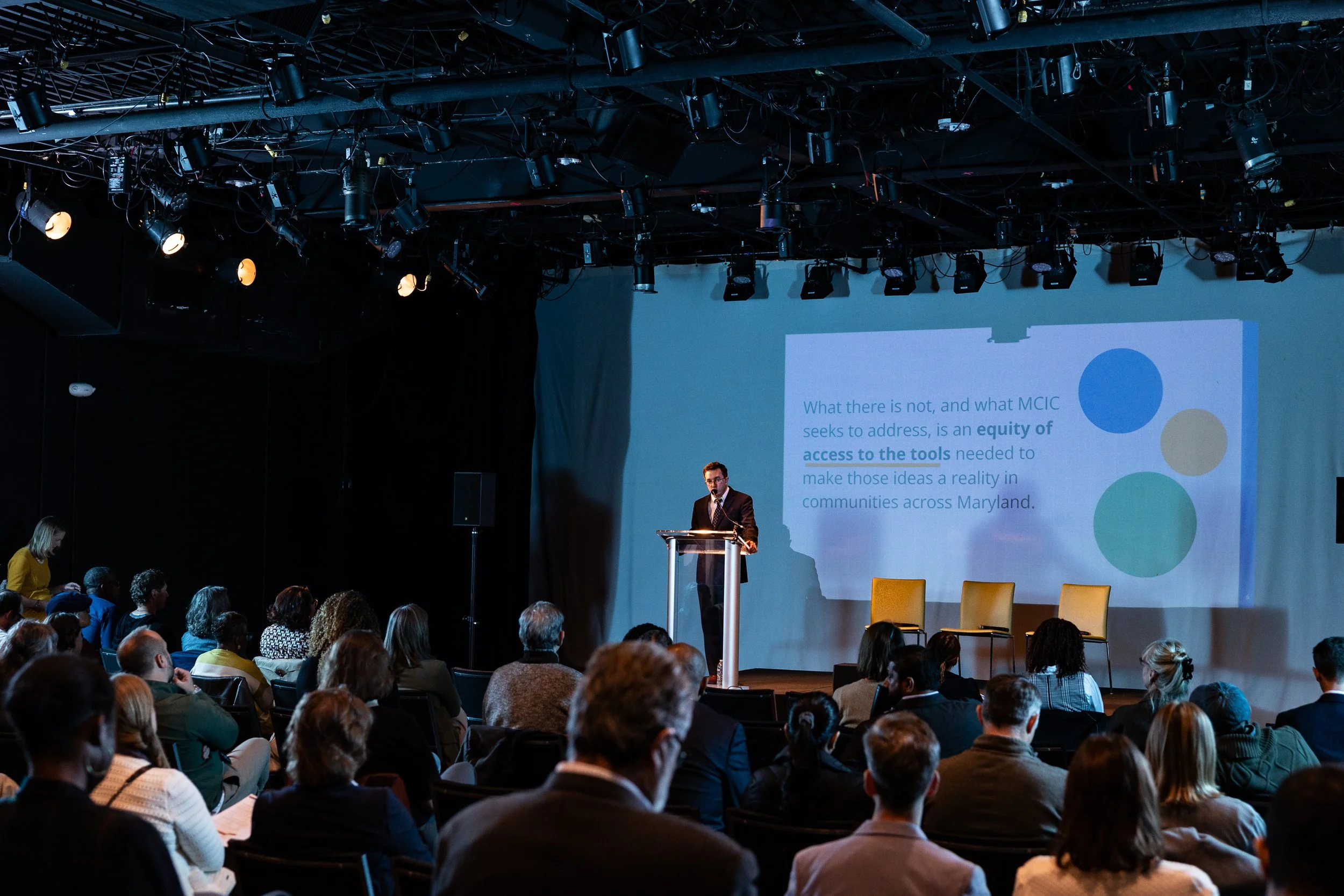
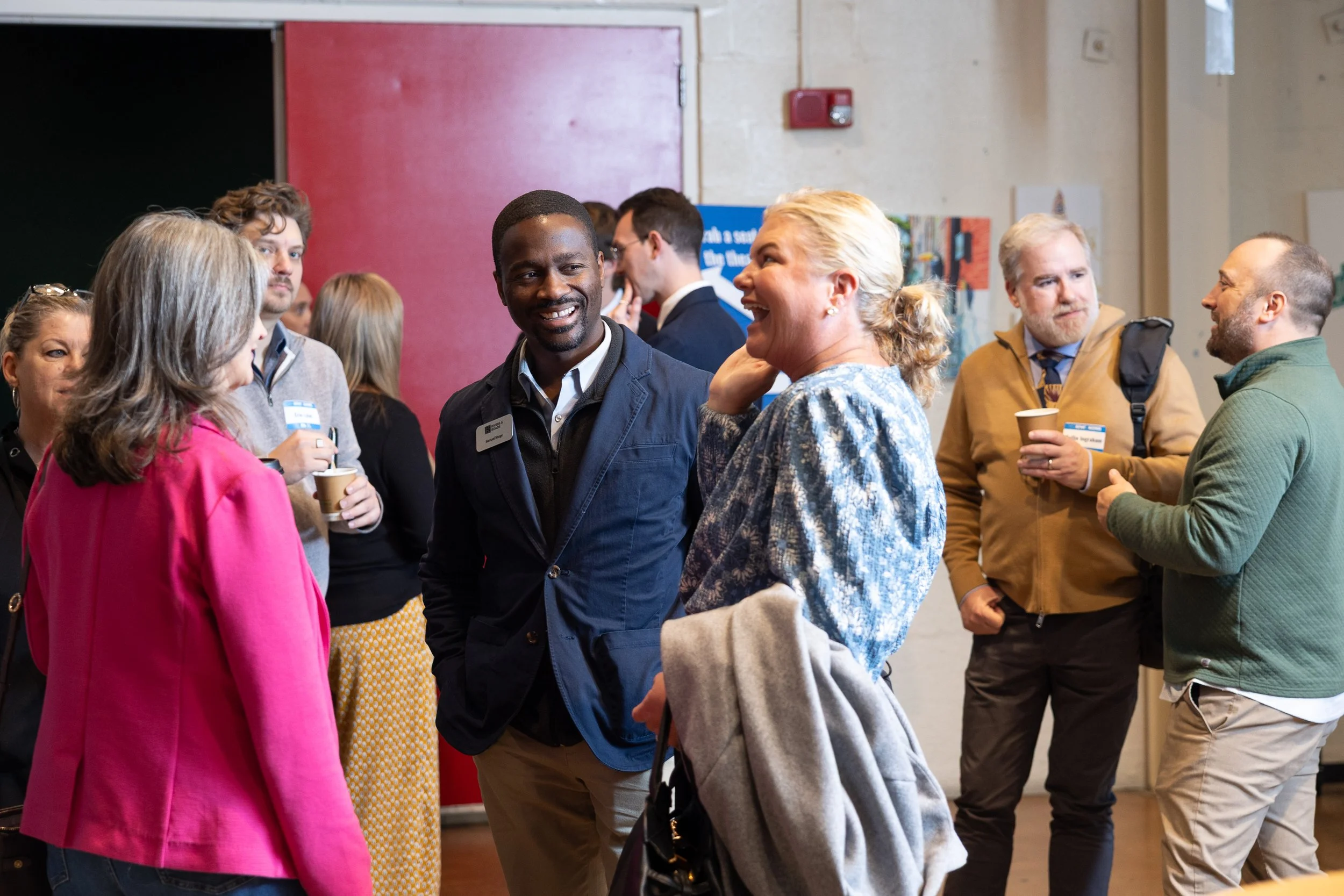
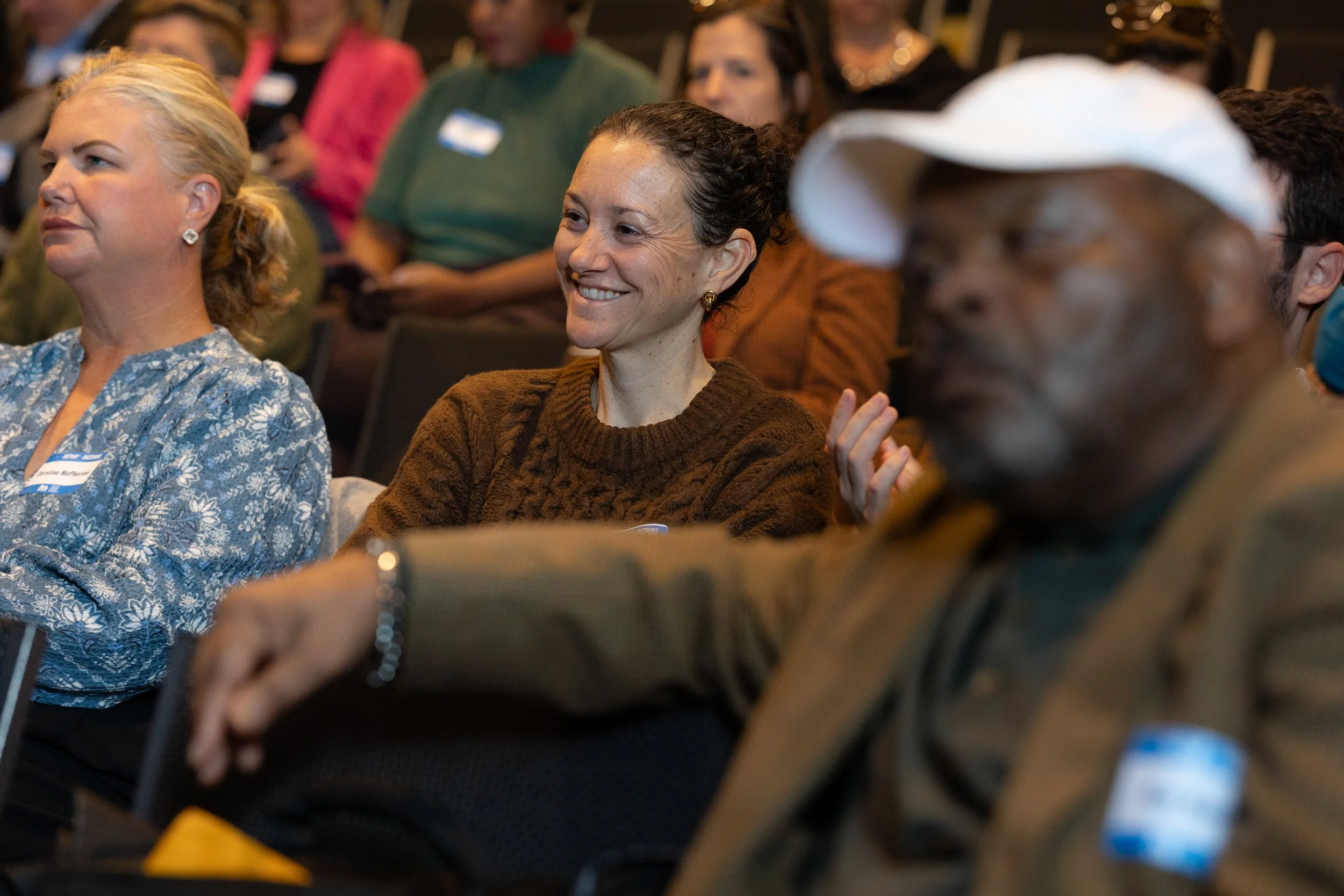
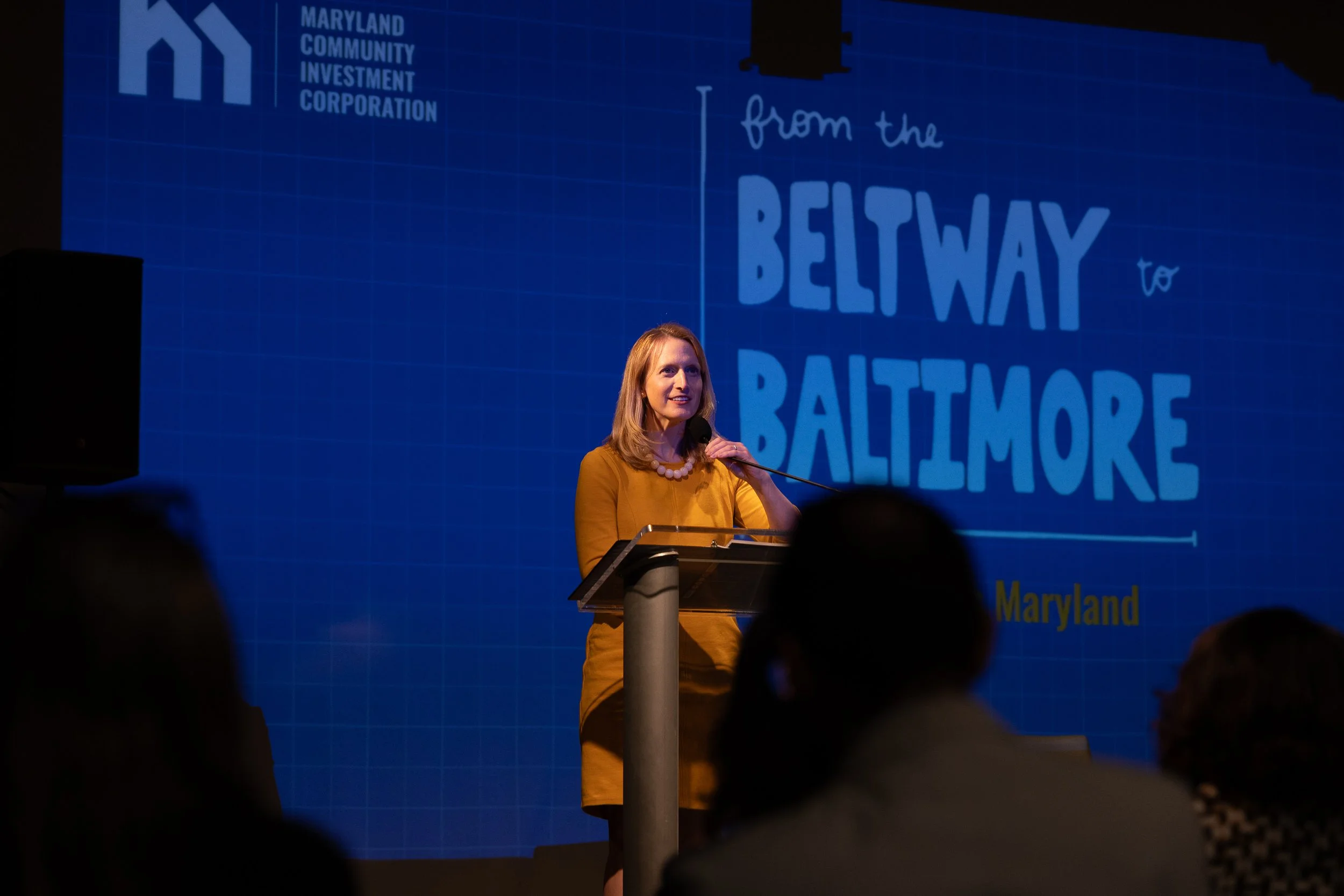
On November 13, nonprofit developers, lenders, investors, advocates, and public officials gathered in Prince George’s County for From the Beltway to Baltimore: Investing Across Maryland, the Maryland Community Investment Corporation’s second annual summit. The morning offered an opportunity to celebrate MCIC’s progress, learn from practitioners, and explore how Maryland can connect more communities to the capital and expertise needed to advance local development.
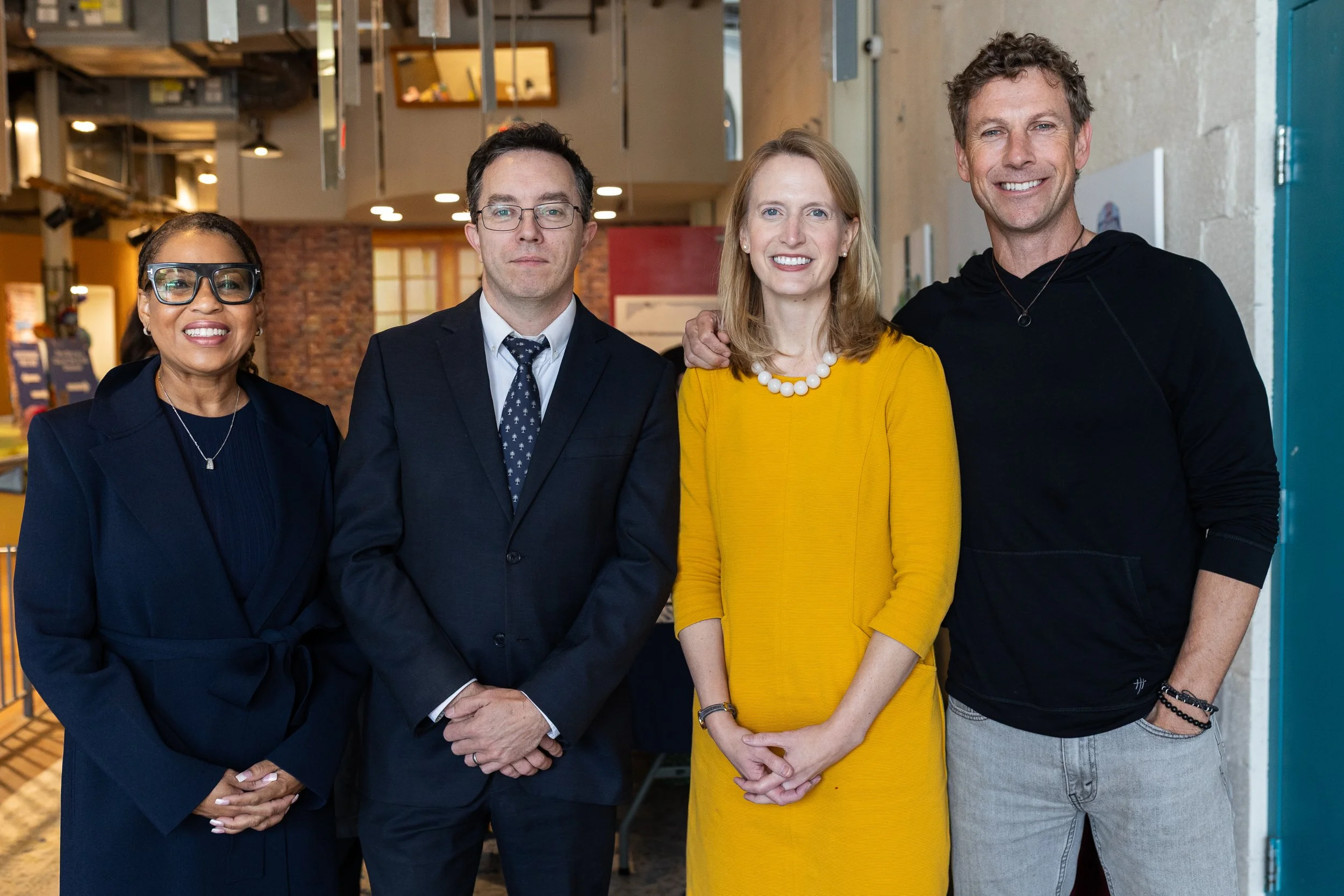
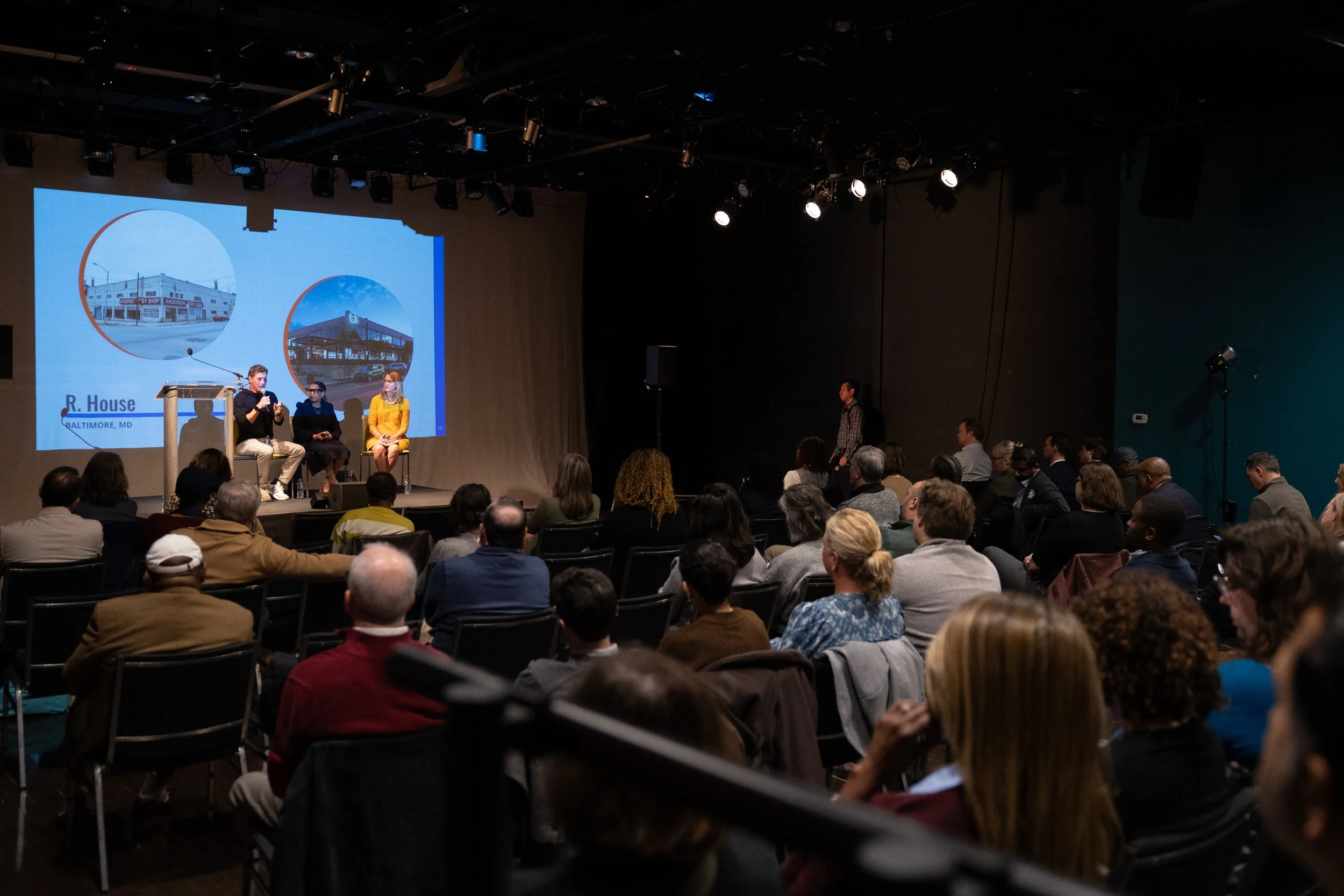
We are grateful to everyone who joined us, and especially to our speakers whose insights made the conversation so valuable. Comptroller Brooke Lierman, MCIC’s Board Chair, reaffirmed the importance of equitable access to community development resources. Thibault Manekin shared lessons from Remington’s evolution into a thriving Baltimore neighborhood, illustrating what becomes possible when community vision meets patient capital and thoughtful development. Gina Merritt offered a practical perspective on structuring real estate transactions that balance financial feasibility with lasting community value.
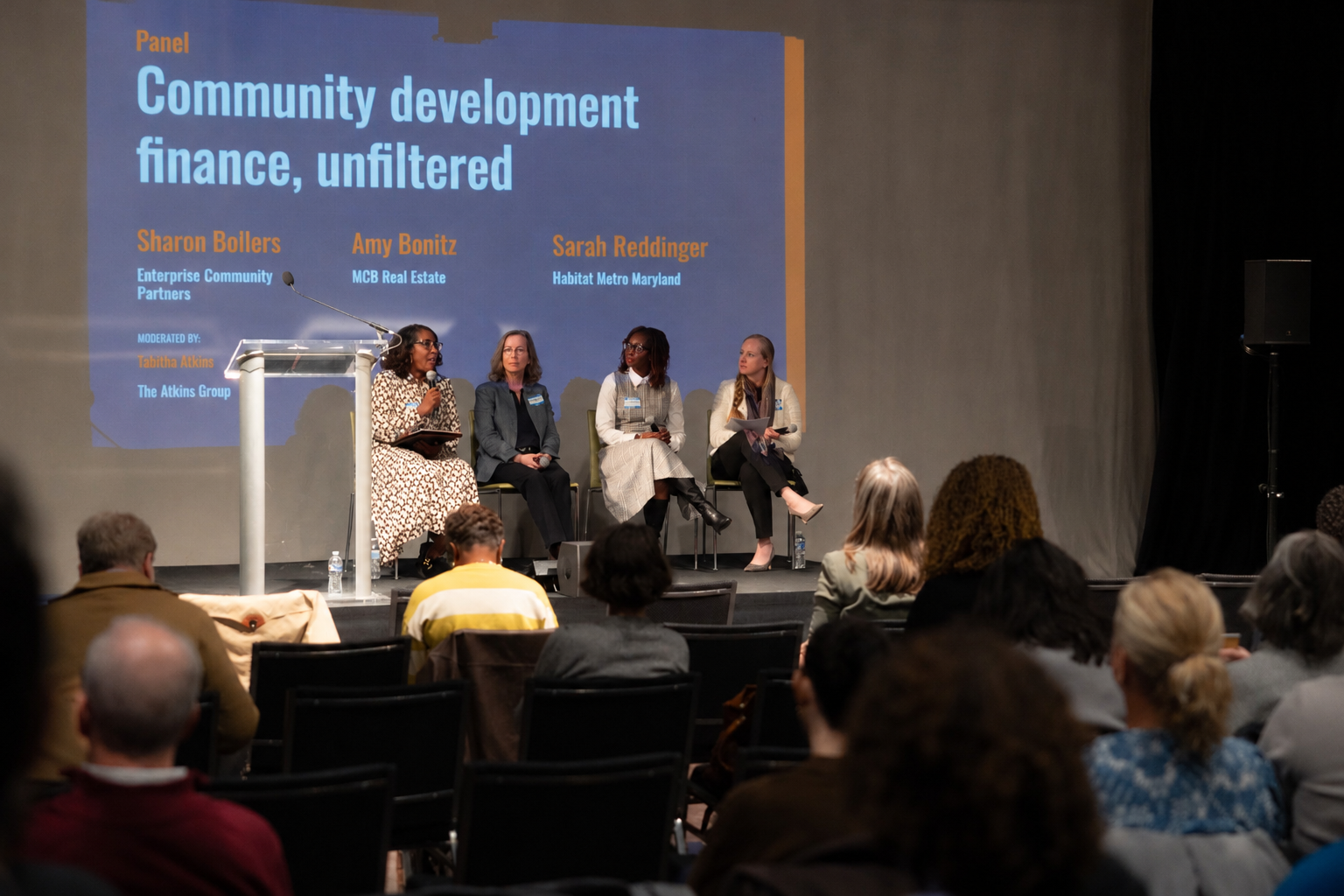
Our panel featuring Sarah Reddinger, Tabitha Atkins, Amy Bonitz, and Sharon Bollers brought the New Markets Tax Credit (NMTC) program into sharper focus. Drawing on projects including Allium Place, Machine Works, and Centre Theatre, panelists illustrated how NMTC financing can help bring ambitious mission-driven real estate projects to life. Their discussion explored what makes projects financeable, how organizations can navigate complex capital structures, and why early relationships with lenders and investors matter. These examples underscored an important point: NMTC is not simply a financing mechanism. It can be a catalyst for projects that create jobs, strengthen neighborhoods, and expand access to community assets.
That opportunity is central to MCIC’s mission. As CEO Michael Pokorny shared, approximately 90% of Maryland’s historical NMTC investment has been concentrated in a handful of places, predominantly Baltimore City. Baltimore has demonstrated the program’s value, and continued investment there remains essential. But half of Maryland’s low-income community residents live outside Baltimore, where NMTC investment has been less accessible and, in some places, entirely absent. MCIC’s opportunity is to complement existing successes while expanding access statewide.
The summit also offered a look at how MCIC is building the platform to meet that opportunity. Our inaugural strategic plan establishes a roadmap for a durable, competitive statewide institution. Through the Baltimore Vacants Reinvestment Initiative, MCIC deployed $23.5 million in committed loan capital alongside more than $1.36 million in technical assistance grants, helping 20 community development organizations secure properties for future redevelopment. Meanwhile, our Rural and Small Cities Loan Fund is taking shape as a proposed $5 million predevelopment fund designed to help promising projects across Maryland become investment-ready.
Thank you again to our speakers, partners, Board members, public officials, and attendees for making this gathering meaningful. Our FY26 Annual Report offers a deeper look at the work behind these conversations, including our strategic planning, lending, convening, and technical assistance activities.
Read the FY26 Annual Report to explore our progress and the strategy guiding our next chapter.
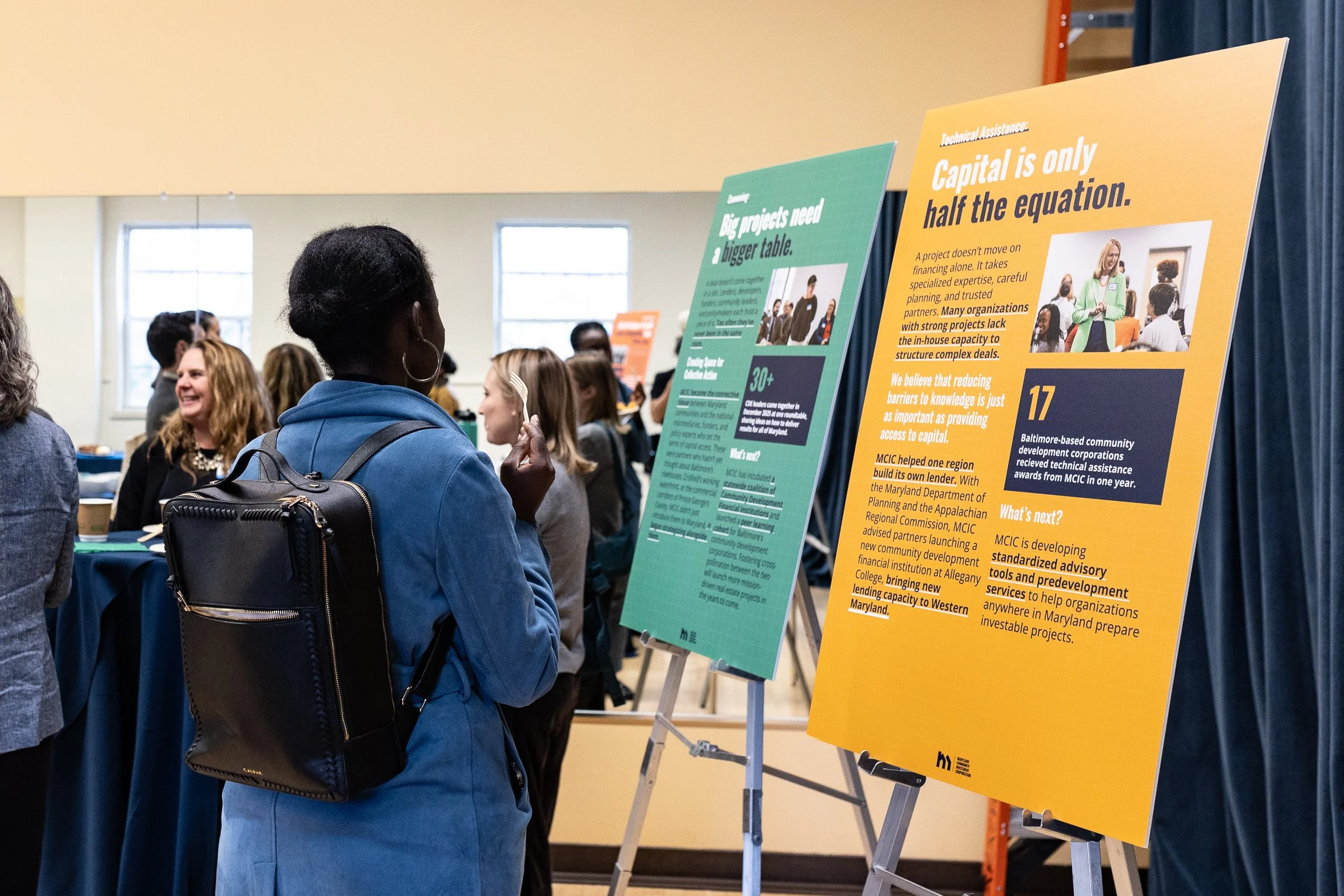
Strategic Planning: Completed MCIC’s inaugural strategic plan, informed by statewide listening sessions and market research, establishing a roadmap for equitable community development across Maryland.
Lending: Deployed BVRI loan capital, supporting community development organizations across 16 Baltimore neighborhoods, while advancing design of a predevelopment fund.
Convening: Brought CDEs, rural leaders, and economic development officials together to strengthen relationships, share knowledge, and build a more connected statewide community development ecosystem.
Technical Assistance: Raised and deployed BVRI Support Fund grants to strengthen organizational capacity and help community development projects advance.
The work ahead is ambitious, but the message from this summit was clear: Maryland has the projects, talent, and community vision. Our shared task is to make the resources and relationships needed to realize them more accessible, wherever in Maryland those ideas take root.