Three Things We Learned Bringing Maryland’s NMTC Industry Together
Recently, the Maryland Community Investment Corporation (“MCIC”) convened community development entities, lenders, intermediaries, and public-sector partners for a candid conversation about the future of the New Markets Tax Credit (“NMTC”) program in Maryland.
Rather than focusing on what has worked in the past, the discussion centered on what it will take to strengthen Maryland’s NMTC ecosystem, particularly in rural communities and smaller cities that have historically attracted less investment.
Here are three key takeaways from that conversation.
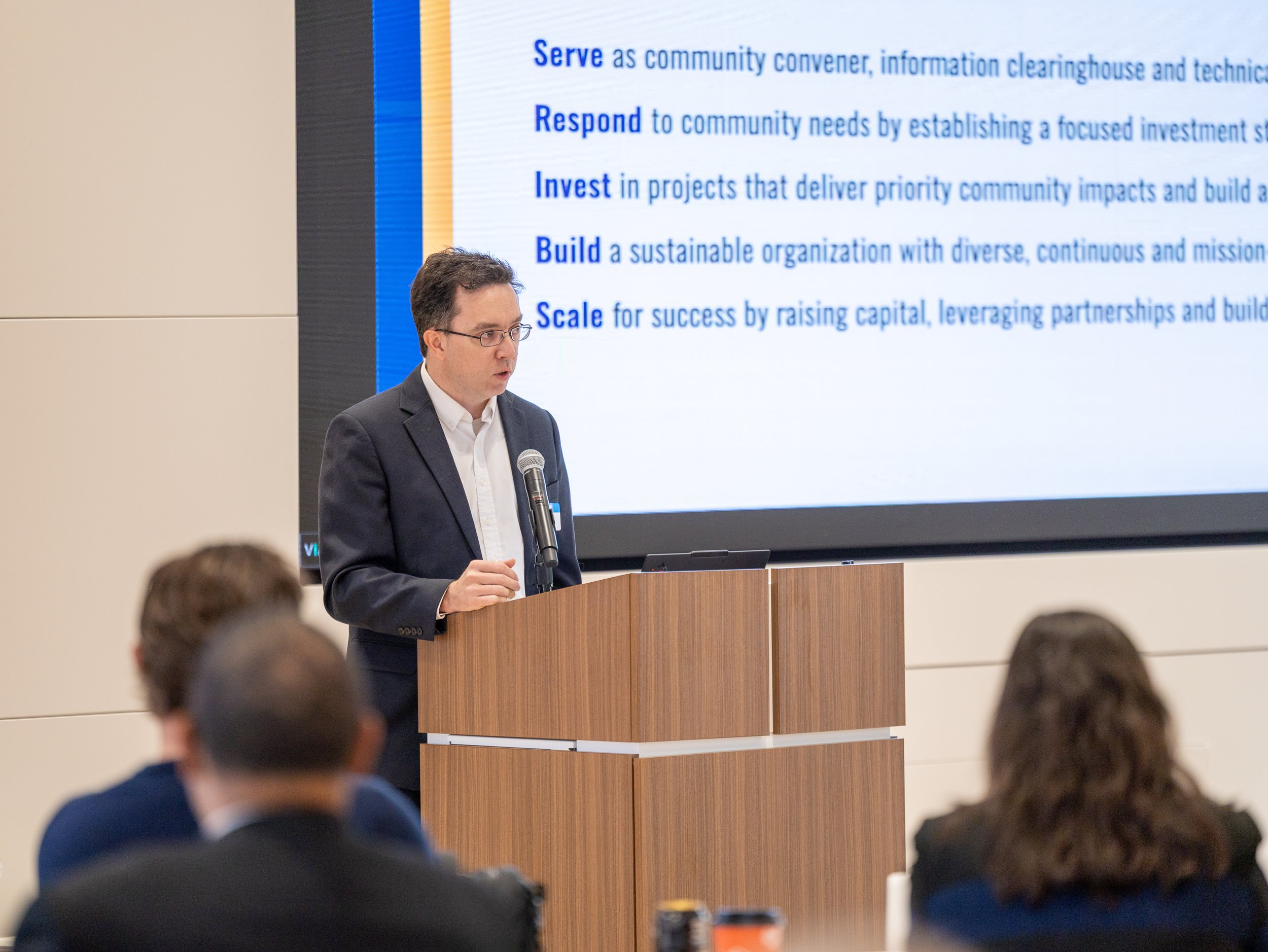
MCIC CEO Michael Pokorny briefs attendees at inaugural Maryland CDE Roundtable.
1. NMTC Is Stronger When State Tools Are Better Aligned
Participants emphasized the importance of better coordination between NMTC and existing State financing tools, including Maryland Department of Housing and Community Development programs and the State’s bond bill process.
When these resources are aligned on timing, underwriting, and structure, projects are more likely to move forward. When they are not, deals stall. There was strong industry support for improving this alignment to reduce friction and make it easier for projects to succeed.
2. Collaboration Among CDEs Strengthens the Market
Another clear theme was the willingness among CDEs to collaborate more intentionally by sharing insights, coordinating on pipeline development, and reducing unnecessary fragmentation.
Participants viewed collaboration not as a competitive risk, but as a way to build a healthier statewide market. A more coordinated ecosystem can surface stronger deals earlier and ensure NMTC resources are deployed more strategically.
3. Market Formation and Borrower Readiness Matter, Especially in Rural Communities
The conversation also underscored a key challenge: borrower readiness remains a real constraint in rural areas and smaller cities.
There was broad support for MCIC’s role in addressing this gap through early engagement, technical assistance, and long-term market formation. Participants recognized that building borrower readiness is essential to creating a durable NMTC pipeline and benefits the entire ecosystem over time.

Representatives from Maryland CDEs and their cross-sector partners join MCIC for a CDE Roundtable.
Looking Ahead
With the pending NMTC “double round” award announcement and MCIC’s strategic plan set to be released in January, the insights from this discussion are already shaping our next phase of work.
We’re grateful to everyone who contributed to the conversation and look forward to continuing this work together in the year ahead.